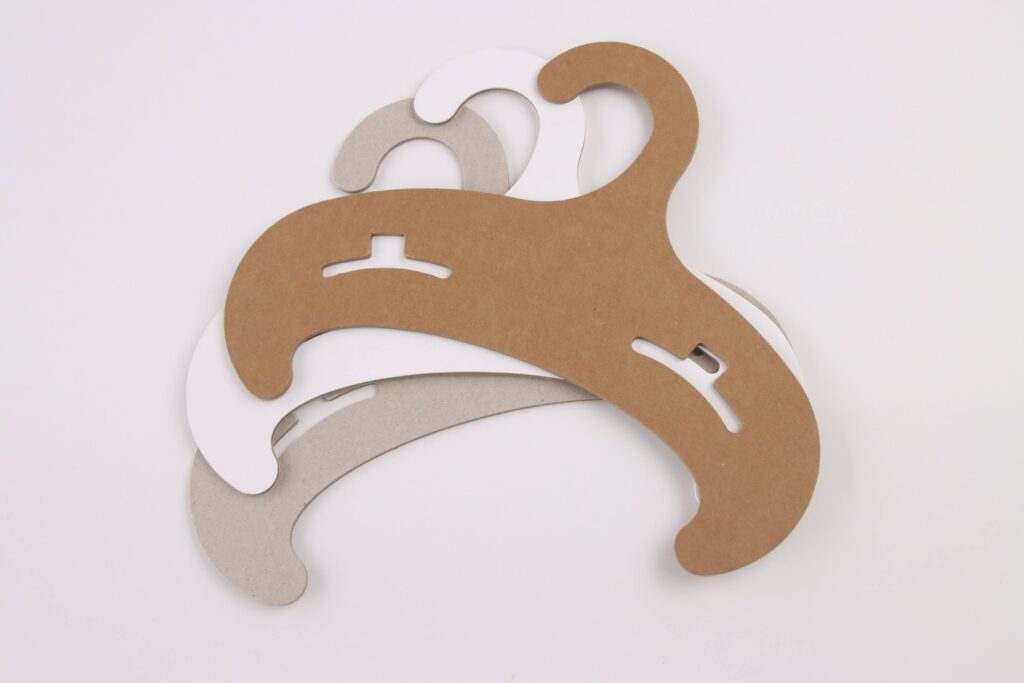
Fashion brands are under more pressure than ever to shrink their environmental footprint, and packaging is a big part of that. Plastic and metal hangers? They’re a huge source of waste—millions get tossed into landfills every year. Today’s shoppers notice these things and want brands to make better choices at every step, not just with the clothes themselves.
Cardboard hangers offer a real way for brands to cut down on waste, use renewable stuff, and actually hit those environmental targets they keep talking about. These paper-based hangers do the job for displaying clothes and are much easier to recycle or compost when you’re done. You’ve probably seen big names like Nike, Adidas, and Uniqlo already moving in this direction.
But swapping out hangers isn’t as simple as it sounds. Brands have to think about how strong the hangers need to be, what styles work, and how these choices fit into their bigger packaging strategy. Getting a handle on the practical side of things helps fashion companies make smarter moves when it comes to sustainable packaging.
The Role of Cardboard Hangers in Sustainable Fashion Packaging
Cardboard hangers help cut plastic waste in fashion supply chains and support packaging that’s actually recyclable. They break down naturally, cost less to make and ship, and still work for modern retail displays.
Environmental Benefits of Cardboard Hangers
Cardboard hangers get rid of the need for plastic and metal alternatives that just sit in landfills for centuries. A single cardboard hanger can break down in a couple of months if composted right. When brands switch to cardboard, they’re pulling thousands of pounds of plastic out of their supply chains every year.
Making cardboard hangers takes less energy than pumping out plastic ones. Most of these hangers come from FSC-certified paper or recycled stuff, so there’s less pressure on forests.
They’re lighter than wood or plastic hangers, too. That means shipping them burns less fuel. Big brands like Nike, Adidas, and Uniqlo have added cardboard hangers to their carbon reduction plans.
Lifecycle of Cardboard Hangers
It all starts with recycled paper pulp or responsibly managed forests. Manufacturers press and cut the material into shape, usually with water-based glue, so there’s barely any chemical waste.
Retailers use these hangers to show off clothes in stores or send them straight to your door. The hangers hold up through regular use. When you’re done, just toss them in the paper recycling bin.
Lifecycle stages include:
- Raw materials from recycled paper or certified forests
- Manufacturing with low-impact processes
- Distribution and retail display
- End-of-life recycling or composting
This loop keeps materials moving back into production instead of piling up in landfills.
Design Innovations in Cardboard Hangers
Modern cardboard hangers have reinforced spots so they don’t just tear or fold. Brands can tweak the shape, size, and strength to fit different types of clothes. Some even have notches for straps or cutouts for specific items.
Custom printing lets brands turn hangers into mini billboards—logos, care tips, or eco-friendly messages can go right on the surface. That way they don’t need extra tags or plastic clips.
New coatings make these hangers water-resistant, but still recyclable. Some manufacturers have figured out how to make hangers that hold up to 5 pounds but stay slim, so they’re easy to store and display.
How Fashion Brands Implement Cardboard Hangers
Big retailers are working cardboard hangers into their supply chains by updating packaging standards and teaming up with new suppliers. It takes some planning—costs, logistics, and even customer education all come into play.
Brand Strategies for Eco-Friendly Packaging
Most brands start by linking up with suppliers who can handle big orders of cardboard hangers. Nike, Adidas, Puma, Uniqlo—they’ve all swapped out plastic and metal hangers for cardboard in their stores.
Many pair cardboard hangers with matching cardboard clothing boxes and displays for a totally eco look. It keeps the sustainability message front and center for shoppers.
Lots of companies order custom cardboard hangers with their logo or brand colors. It’s an easy way to turn packaging into a marketing tool that says, “Hey, we care about the environment.” Some even add QR codes or printed info about recycling right on the hanger.
Retailers sometimes run take-back programs, letting customers return cardboard hangers for recycling or reuse. That keeps the cycle going and gets customers involved in the brand’s sustainability story.
Challenges in Transitioning to Cardboard Hangers
The biggest headache? Cardboard hangers cost more upfront than plastic ones. Brands have to rethink budgets and look at long-term savings versus immediate expenses.
Switching things up in the supply chain takes coordination with manufacturers and distribution centers. Warehouses need new storage setups since cardboard hangers can get damaged by moisture or pressure more easily than plastic.
Heavier clothes like coats bring up weight capacity issues. Brands have to test different thicknesses and designs to make sure the hangers won’t snap.
Training staff is a must, too. Employees need to learn how to handle cardboard hangers without wrecking them and understand how to store them—definitely not the same as plastic.
Consumer Perception of Cardboard Packaging
More and more customers see cardboard hangers as a sign that a brand actually cares about the environment. People are noticing—eco-friendly packaging tends to boost how shoppers think about a brand, especially if they’re already looking for sustainable options.
There’s a bit of skepticism at first. Some folks wonder if cardboard hangers can really hold up over time. Brands usually tackle this by showing off how sturdy the hangers are and being upfront about what they can handle.
Cardboard just feels different in your hands than plastic does. Some customers still link that plasticky feel with something a bit more high-end. So, fashion retailers try to flip the script by talking up the environmental perks and highlighting the solid build of their cardboard hangers.
It’s interesting—shoppers between 18 and 35 seem especially into cardboard packaging. They’ll often shout out their favorite sustainable brands on social media, and they’re pretty deliberate about hunting down retailers that match their eco-friendly values.
Leave a Reply